What Is Disability Insurance in Canada?
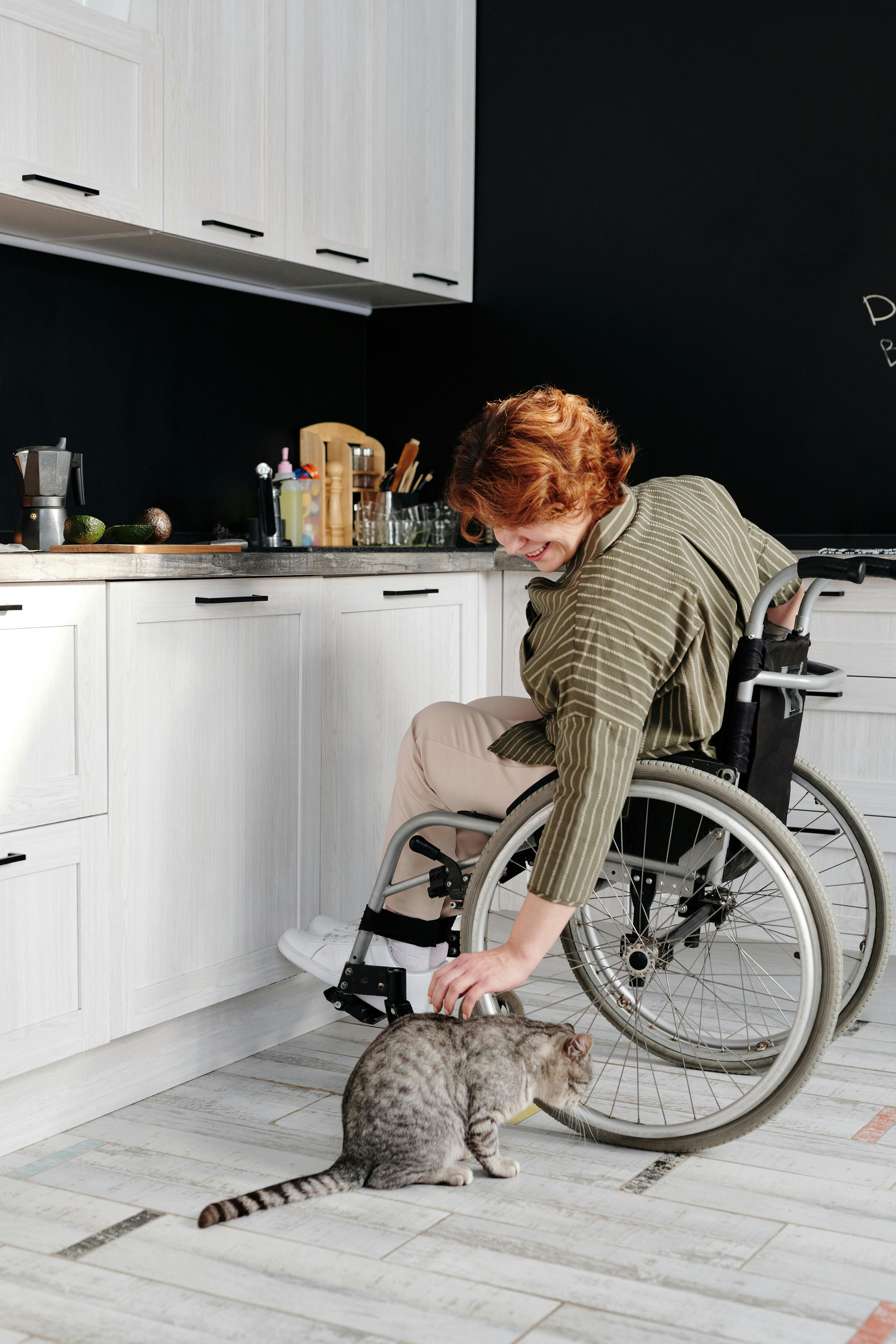
Disability Insurance provides a monthly income if you’re unable to work because of an illness or injury. It’s designed to help cover your essential expenses—like rent, groceries, loan payments, and childcare—while you’re recovering. Whether your disability lasts a few weeks or several years, this type of coverage helps replace your lost earnings so you don’t have to drain your savings or go into debt.
How Disability Insurance Works
When you’re unable to work due to a covered medical condition, you can make a claim after a waiting period (often 30, 60, or 90 days). If your claim is approved, you’ll receive monthly benefit payments—usually around 60% to 85% of your normal income. These payments continue for a set period (e.g. two years, five years, or to age 65), or until you recover and can return to work.
There are two main types:
- Short-Term Disability (STD): Covers brief absences, typically up to 6 months.
- Long-Term Disability (LTD): Covers extended time off work and can last for years.
Types of Disability Insurance Coverage in Canada
Wage Loss Replacement Plans (WLRPs)
A Wage Loss Replacement Plan is a group disability insurance arrangement between an employer and their employees. It often forms part of a company’s group benefits plan. These are commonly tax-efficient because if the employee pays the premium with after-tax dollars, the benefits are tax-free when paid out. If the employer pays the premiums, the benefit is usually taxable.
WLRPs are regulated by the Canada Revenue Agency (CRA), and the plan must meet certain criteria to qualify as a proper WLRP, including clear definitions, structured funding, and being directly tied to income loss due to disability. These plans typically integrate with other benefits, such as CPP Disability or EI Sickness Benefits.
Unbundled Accident and Illness Policies
Some insurance companies offer separate coverage for accident and illness—rather than bundling them together into a single disability policy. These are often marketed to self-employed individuals or people in high-risk industries.
An accident-only disability plan will only pay if you’re injured in an accident (not if you get sick). An illness-only policy does the opposite. These policies are generally cheaper but offer narrower protection, and people often don’t realize their limitations until they go to make a claim.
They can be useful for budget-conscious individuals or as top-ups to other plans, but they’re not a complete safety net on their own.
Integration with EI Sickness Benefits
In Canada, Employment Insurance (EI) Sickness Benefits provide short-term income support for up to 15 weeks if you can’t work due to medical reasons. However, EI only pays up to 55% of your average weekly earnings, with a weekly cap (as of 2025, $668/week max).
Some private disability plans are integrated with EI, meaning your private plan might begin after EI ends to avoid overlap. This is especially common with Long-Term Disability plans, which often start at week 17 (after EI Sickness runs out). In other cases, your private benefits may be offset by the amount EI pays, which means your insurance payment will be reduced by the EI benefit to avoid overpayment.
Understanding how EI and private insurance work together is important when you’re coordinating claims and planning your finances during time off work.
What’s Covered and What’s Not
Disability insurance covers both illnesses (like cancer, depression, or chronic fatigue syndrome) and injuries (like back injuries, broken bones, or concussions), depending on the policy. Some plans cover you if you can’t do your own job, while others only pay if you can’t do any job at all—a key difference to understand.
Mental health issues are increasingly covered in modern plans, but not all policies are equal, so it’s important to read the details.
Why You Might Need Disability Insurance
Even with public healthcare, disability can leave you financially vulnerable. Your job may not offer enough (or any) sick leave, and EI benefits are limited. Most Canadians don’t have enough savings to cover several months without income.
Disability insurance is especially important for:
- Self-employed people or contractors
- Anyone without strong employer benefits
- Primary income earners in a household
- People with large financial obligations (like a mortgage or loan payments)
What to Watch Out For
Not all policies are created equal. Some are harder to qualify for, and some have longer waiting periods or stricter definitions of “disability.” If you buy your own policy, premiums are usually paid with after-tax dollars, which means your benefits will be tax-free. But if your employer pays, you might be taxed on the benefits later.
It’s also important to know whether your plan integrates with EI, CPP Disability, or private coverage, so you don’t face unpleasant surprises when making a claim.
At The End of The Day
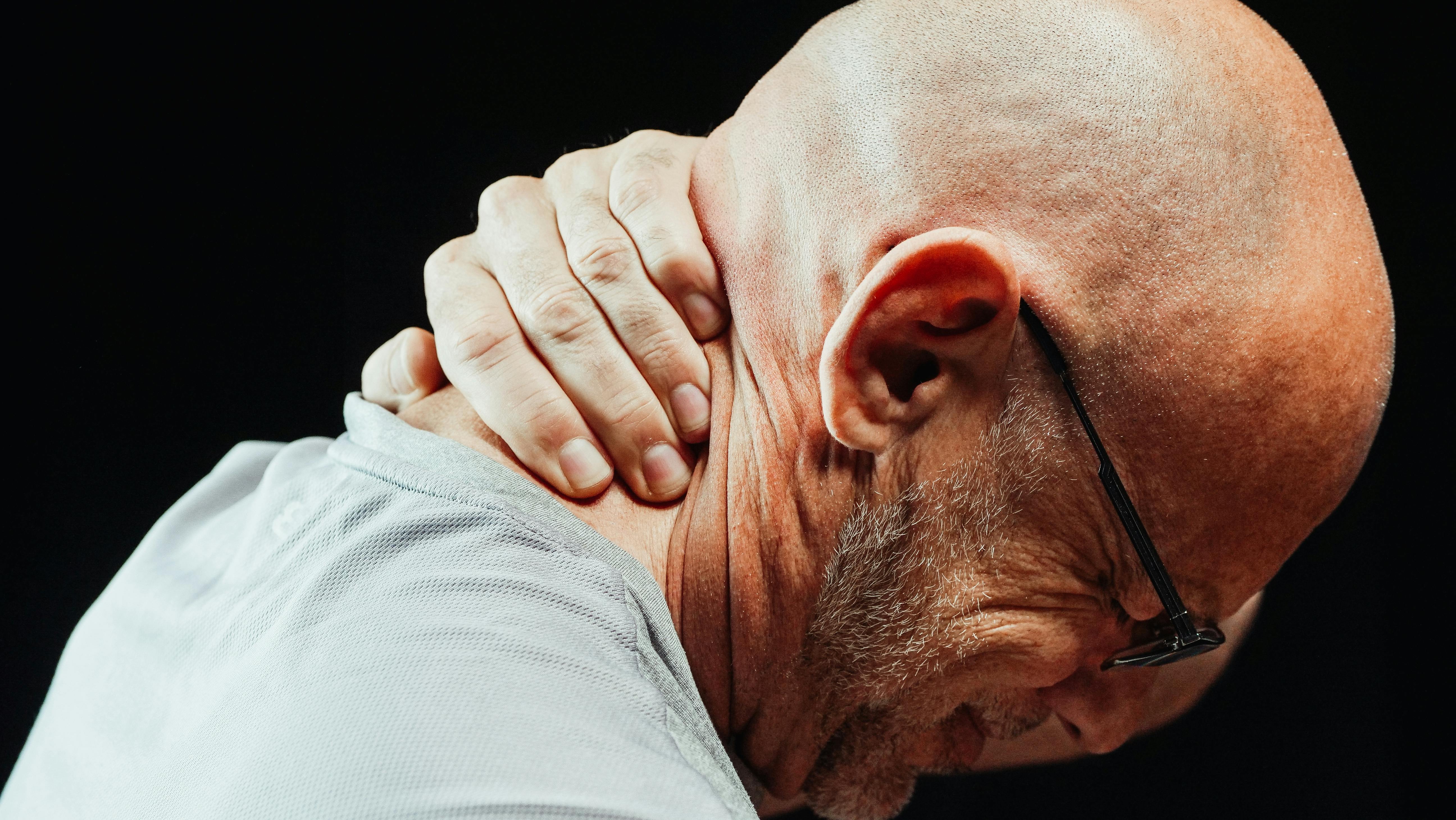
Disability insurance protects one of your most valuable assets—your ability to earn an income. Whether you’re recovering from surgery, managing a chronic illness, or facing a long-term disability, it gives you the stability to maintain your lifestyle while you heal.
If you’re unsure whether you’re properly covered through work or self-employment, it’s worth reviewing your options—especially in a country like Canada, where public health care doesn’t always mean full income protection.
Absolutely! Here’s a more visually engaging, color-themed version of the comparison chart. While I can’t display actual colors in this plain-text format, I’ll label where each color would go so you (or your designer) can easily format it for use in PowerPoint, PDF, or online materials.
🟦 Disability Income Coverage in Canada – At a Glance
(Use color blocks to separate each column: Blue for WLRP, Teal for EI, and Orange for LTD)
| 🔍 Feature | 🟦 Wage Loss Replacement Plan (WLRP) | 🟩 EI Sickness Benefits | 🟧 Private Long-Term Disability (LTD) |
|---|---|---|---|
| Offered By | Employer as part of group benefits | Government of Canada | Private insurer (group or individual) |
| Coverage Start | Usually after 7–14 days | Starts after 1-week waiting period | Typically begins after 90–120 days (post-EI) |
| Coverage Length | Short-term: 15–26 weeks | Up to 15 weeks | Long-term: 2 years, 5 years, or to age 65 |
| Income Replaced | 60–85% of gross income | 55% of weekly average (max ~$668) | 60–85% of gross income (varies by plan) |
| Taxable? | ✅ No (if employee pays premiums) | ✅ Yes | ✅ No (if paid with after-tax dollars) |
| Covers Illness & Injury? | Yes | Illness only | Yes (both illness & injury) |
| Mental Health Coverage? | Yes | Yes (with doctor’s note) | Yes (depending on policy wording) |
| “Own Occupation” Coverage | Sometimes (plan-dependent) | Not applicable | Often included, especially in early claim period |
| Integration with Other Benefits | May offset with EI or CPP-D | May be reduced if other income applies | Often coordinates with EI/WLRP or CPP-D |
| Eligibility | Must be an active employee | 600 insurable hours in last 52 weeks | Subject to underwriting or group enrollment |
✅ Quick Takeaways
🟦 WLRP: Best for employees with group benefits. Often tax-efficient and generous short-term income.
🟩 EI: Good government safety net, but only for short-term needs and lower income replacement.
🟧 Private LTD: Most comprehensive, with longer benefit periods and flexible design—ideal for professionals and self-employed Canadians.

Did you know…?
You Can Get DI Outside of Work – Even If You’re Self-Employed
Many Canadians think disability insurance only comes through employer benefits. In reality, self-employed individuals and freelancers can (and often should) purchase individual DI policies. These plans are fully customizable and follow you even if you change careers.
Benefits Are Tax-Free If You Pay the Premiums
If you pay your DI premiums with after-tax dollars (i.e. not through your employer), any benefits you receive during a disability are typically tax-free. However, if your employer pays the premiums, benefits may be taxable.
Mental Health Claims Are Among the Most Common
While many assume DI is mostly for accidents or physical illness, a significant portion of claims relate to mental health issues like depression, anxiety, and stress-related disorders. Policies that exclude mental illness can leave large coverage gaps.
“Own Occupation” vs. “Any Occupation” Matters – A Lot
Many Canadians don’t realize that DI policies vary dramatically:
- “Own occupation” policies pay benefits if you can’t do your specific job.
- “Any occupation” policies only pay if you can’t work in any suitable job based on your education and experience.
This difference drastically impacts payout eligibility.
You Can Get Partial Benefits – Not Just All-or-Nothing
Some policies offer residual or partial disability benefits, which provide income if you can still work but have reduced hours or duties due to illness or injury. This is vital for people recovering or living with chronic conditions.
